Taking care of your teeth is vital not only for maintaining a lovable smile but also for your usual fitness. Regular brushing, flossing, and dental assessments can save you from maximum issues; however, from time to time an enamel turns so broken or decayed that a smooth filling isn’t enough. In such instances, a dental crown may be the appropriate solution.
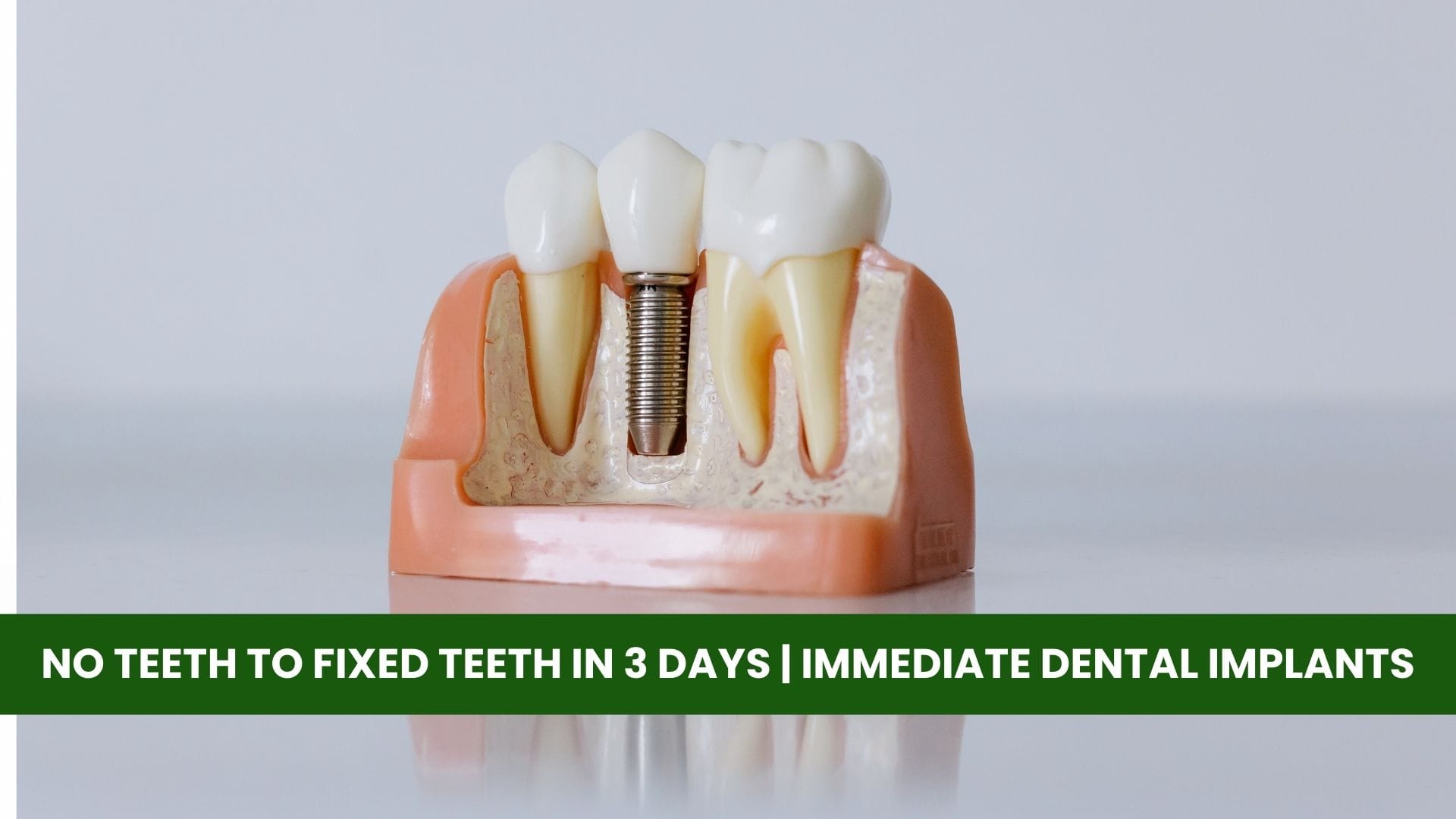
A dental crown is a tooth-standard cap placed over a damaged or weakened tooth to restore its form, energy, and look. It acts as a defensive protector, permitting you to bite and bite quite simply without soreness.
1. Severe Tooth Decay or Damage
When tooth decay progresses beyond what can be repaired with a filling, your dentist may additionally propose a crown. Large cavities weaken the teeth’s structure, making it more likely to interrupt. A crown covers the whole enamel, protecting it from further decay and restoring its energy. This is in particular critical if the harm is deep or affects a molar, which handles the maximum of your chewing stress.
2. Cracked or Broken Teeth
Cracks or fractures can cause damage and make it hard to cut meals or grind teeth. Even small cracks can cause pain and sensitivity, and if they are not dealt with now, harm can go to pot. A penny provides a sturdy cover that holds the enamel collectively and stops additional harm. If you see a sharp pain even during chewing or sensitivity to warmth and anemia, it’s time to check your teeth.
3. After Root Canal Therapy
A root canal removes infected pulp from inside the tooth but can leave the tooth brittle. Without a blood supply, the teeth turnweaker and more liable to fractures. Dentists often endorse placing a crown after root canal treatment to defend the tooth and repair its function, assisting it in lasting for decades.
4. Large Fillings
When there is a huge filling in a tooth—especially one that covers a spacious part of the chewing position—the final natural tooth structure may be delicate. A penny makes it possible to strengthen the teeth and ensure that they can withstand regular cutting and chewing forces.
5. Cosmetic Reasons
Crowns are not only nice for repairing damaged enamel; they can also beautify your smile. If you have been given a discolored or uneven tooth that has an effect on you, guaranteed, crowns offer an effective splendor solution. Made of porcelain or ceramics, the crown can be painted to combine basically in combination with your natural teeth, giving you a bright, extra-like smile.
When to See Your Dentist for a Dental Crown
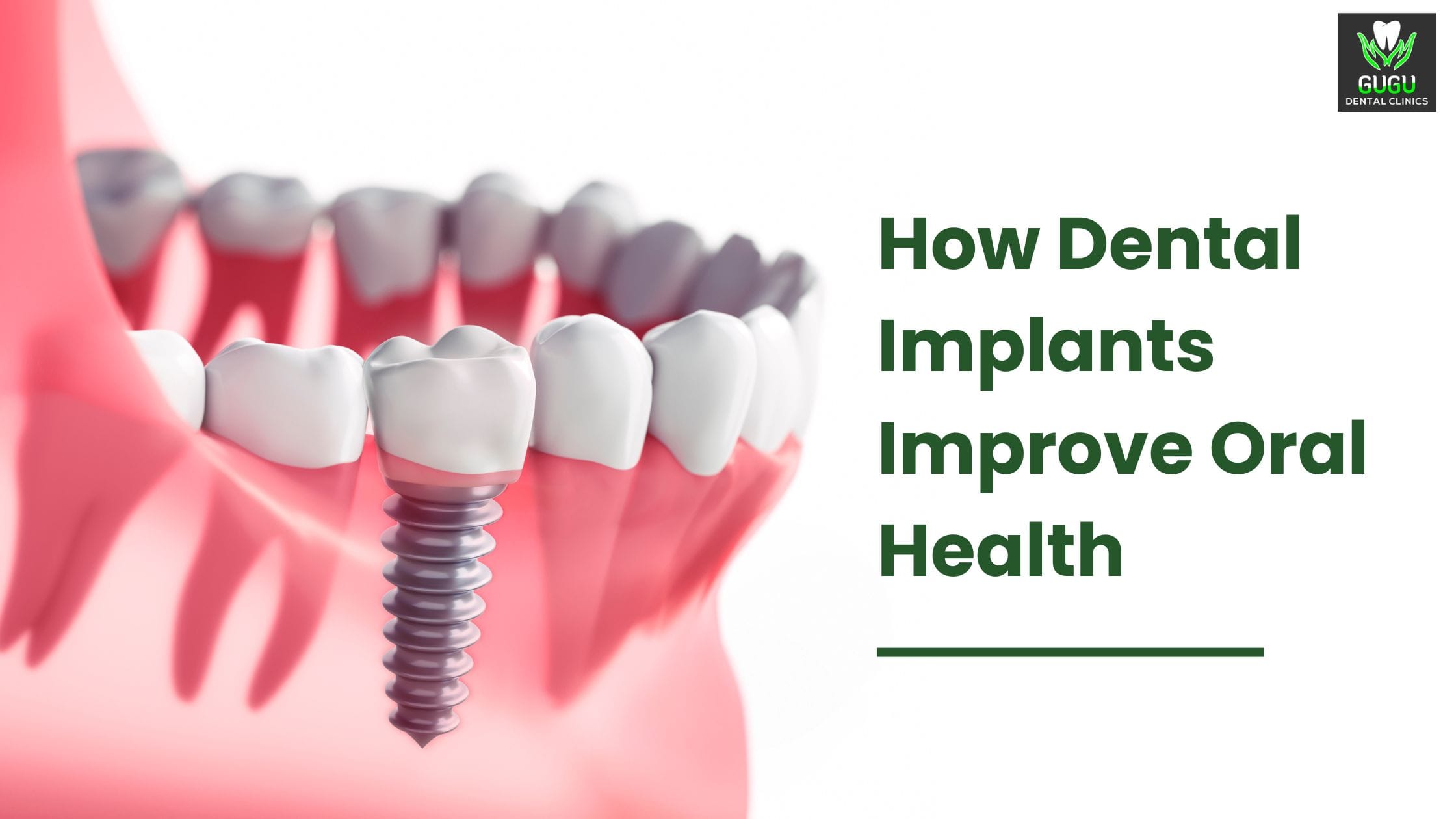
If you experience continual tooth pain, are aware of cracks, or have a massive filling that feels risky, don’t put off seeing your dentist. Early analysis and remedy with a crown can keep your herbal enamel and help you keep away from greater invasive processes like extractions or implants.
Benefits of Dental Crowns
- Restore teeth function and look
- Protect vulnerable or broken tooth from additional damage
- Long-lasting with right care
- Natural-looking and comfortable
- Suitable for both restorative and beauty purposes
conclusion
Acting rapidly even as you check teeth harm should make a huge distinction. Ignoring symptoms and signs like cracks, intense decay, or aches can bring about greater, more intense dental problems. If you watched, you will possibly need a dental crown. Schedule an appointment together along with your dentist to speak about the brilliant remedy options for your smile and oral fitness.
Categories
Tags
Recent Posts